


Most homeowners expect pest problems in spring and early summer. Late summer catches them off guard. By August, many insects and rodents have already shifted their behavior and are actively scouting for shelter before temperatures drop.
The issue is not that pests suddenly appear in fall. It is that they start moving in August, and most homeowners do not notice until they are already inside.
What Changes in Late Summer
Through spring and early summer, pests are focused outward. Food is available, temperatures are comfortable, and outdoor conditions support breeding and colony growth. That changes in late summer for a few key reasons.
Outdoor food sources start to decline. As vegetation matures and dries out, the food supply that sustained pest populations through summer becomes less reliable. Pests that depended on outdoor sources begin looking closer to structures.
Moisture patterns shift. Late summer heat dries out soil and landscaping, pushing moisture-dependent pests toward the more stable conditions found inside homes, particularly in basements, crawl spaces, and wall voids.
Instinct drives early preparation. Insects and rodents do not wait for the first cold snap to begin looking for shelter. They respond to subtle shifts in temperature and daylight well before fall arrives. By the time outdoor conditions feel like fall, many pests have already established entry points.
Which Pests Are Most Active During Late Summer
Rodents
Mice and rats begin scouting for entry points in late summer, well before the weather turns cold. A mouse can enter through a gap the size of a dime. Common entry points include gaps around utility penetrations, damaged door sweeps, unscreened vents, and cracks in the foundation.
Early signs of rodent activity include droppings along baseboards and in cabinets, grease marks along wall edges, chewed packaging in pantries, and scratching sounds inside walls at night.
Stink Bugs
Stink bugs are one of the most common late-summer invaders in our region. As days shorten and temperatures begin to drop at night, stink bugs aggregate on the warm, sun-exposed sides of homes and begin looking for gaps to overwinter inside wall voids and attic spaces. Once inside, they remain largely dormant through winter and emerge again in spring, often in large numbers.
Boxelder Bugs
Similar to stink bugs in behavior, boxelder bugs move toward structures in late summer and congregate on exterior walls before finding gaps to enter. They are nuisance pests rather than destructive ones, but large numbers overwintering inside a home can be difficult to manage without addressing the entry points they used to get in.
Ants
Ant colonies that spent summer foraging outdoors begin pushing closer to structures as outdoor conditions become less favorable. Late summer ant activity inside the home, particularly in kitchens and bathrooms, often signals that a colony has shifted its foraging range toward the interior.
Spiders
Spider activity becomes more visible in late summer as populations peak and males move more actively in search of mates. Spiders typically follow their prey indoors, so increased interior spider activity often indicates other pest populations are already present inside the structure.
Cockroaches
German cockroaches are a year-round interior pest, but American cockroaches, which typically live outdoors in warmer months, begin moving inside as temperatures drop. They enter through floor drains, pipe penetrations, and gaps along the foundation.
Where Pests Get In
Identifying entry points is more important than any surface treatment. The most common access points during late summer include:
- Gaps around door frames and damaged or missing door sweeps
- Cracks in the foundation or where the foundation meets the sill plate
- Unscreened or damaged soffit and gable vents
- Gaps around utility penetrations including electrical, plumbing, and cable lines
- Damaged window screens or gaps in window frames
- Spaces around garage doors, particularly along the bottom seal
- Openings around dryer vents and exhaust fans
- Gaps where pipes enter through exterior walls
Most of these entry points are small enough that homeowners overlook them during a standard walkthrough. A professional inspection covers the areas that are difficult to see or access, including crawl spaces, attic vents, and the exterior roofline.
Practical Steps to Reduce Risk Now
Taking action in August is significantly more effective than responding to a full infestation in October. A few targeted steps can reduce the risk of pests establishing themselves inside before fall.
Seal visible gaps around doors and windows. Check weatherstripping and door sweeps for damage or compression. Replace anything that no longer creates a complete seal.
Inspect and repair screens. Window and vent screens with holes or gaps are direct entry points for insects. Replace damaged screens before late-summer pest activity peaks.
Address moisture in basements and crawl spaces. Damp conditions attract a wide range of pests including cockroaches, silverfish, and centipedes. A dehumidifier and proper vapor barrier can reduce the conditions that draw pests toward interior spaces.
Remove exterior harborage. Wood piles stored against the home, dense foundation plantings, and accumulated debris along the exterior all provide cover and nesting material for pests close to entry points. Moving these away from the structure reduces the bridge between outdoor pest populations and the home.
Reduce outdoor lighting near entry points. Exterior lighting attracts flying insects, which in turn attracts spiders and other predatory species. Switching to yellow or sodium vapor bulbs near doors reduces insect attraction.
These steps reduce pest pressure but will not eliminate an infestation that is already established or address entry points that require professional sealing.
What We’re Seeing
We are seeing early rodent activity near foundations and increased stink bug aggregation on south-facing exterior walls. Ant pressure near kitchens is also elevated as colonies shift foraging patterns ahead of the season change.
The homeowners who address these issues now, before activity fully transitions indoors, are in a significantly better position heading into fall. Once pests establish themselves inside a structure, treatment becomes more involved and results take longer to achieve.
When to Call a Professional
DIY prevention measures are a useful first layer of defense. They are not a substitute for a professional inspection when pest activity is already present or when entry points are not easily identifiable from inside the home.
Schedule service if you are experiencing any of the following:
- Rodent droppings, chew marks, or audible activity inside walls or ceilings
- Repeated interior ant activity that returns after treatment
- Large numbers of stink bugs or boxelder bugs on exterior walls
- Cockroach sightings inside the home
- Pest activity that seems to be increasing despite preventive steps
- You have not had a professional inspection in the past year
How Champion Pest & Termite Control Approaches Late Summer Pest Activity
At Champion Pest & Termite Control, we follow our 3E Proven Process on every service call.
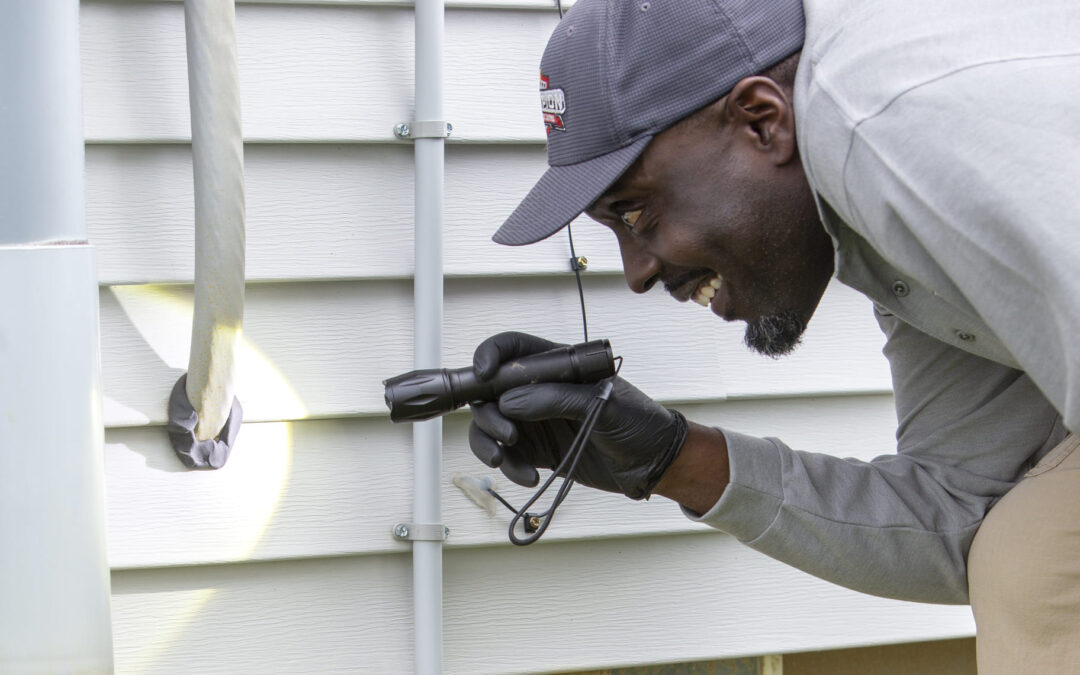
We start with Examine. We inspect the interior and exterior of the property to identify which pest species are present, where they are entering, and what conditions are making the home attractive. Late summer inspections include specific attention to foundation gaps, attic vents, and crawl space conditions that become critical entry points heading into fall.
Then we Explain. We walk you through what we found, which species are involved, and what the treatment plan looks like for the season ahead. Pest behavior changes significantly between August and October, and we make sure the approach accounts for that shift.
Then we Execute. We apply the right treatment for the specific pest and property, addressing both the active issue and the conditions that are driving it, so results hold through the season change rather than requiring repeat visits.
If you are starting to see pest activity increase around your home this August, now is the right time to act. Get on the schedule before pests move from scouting your home to living in it.
Frequently Asked Questions
When do pests start moving indoors?
Most people assume pests move inside when cold weather arrives. In reality, many species begin scouting for entry points and shelter in late summer, often as early as August, in response to changes in food availability, moisture, and daylight rather than temperature alone.
How do rodents get into a home?
Mice can enter through gaps as small as a dime. Common entry points include gaps around utility lines, damaged door sweeps, unscreened foundation vents, cracks where the foundation meets the framing, and spaces around pipe penetrations through exterior walls.
What are stink bugs and why do they come inside?
Stink bugs are shield-shaped insects that overwinter inside structures rather than in outdoor environments. In late summer they congregate on warm exterior walls and seek out small gaps to enter wall voids and attic spaces. They do not reproduce indoors or cause structural damage, but large numbers emerging in spring can be difficult to manage if entry points were not addressed the previous fall.
Why am I seeing more spiders in late summer?
Spider populations peak in late summer as adults mature and males become more active. Increased interior spider activity is also often a sign that other pest populations are already present inside the structure, since spiders follow their prey.
Does sealing my home completely prevent pests from getting in?
Sealing entry points significantly reduces pest access but is rarely complete on its own. Pests find gaps that are difficult to detect without a professional inspection. Sealing combined with targeted treatment and moisture control provides the most reliable results.
Is it too late to treat for pests in August?
August is actually one of the most effective times to act. Treating before pests fully transition indoors is faster, less involved, and more cost-effective than addressing an established interior infestation in fall or winter.
Recent Comments