

As summer ramps up, pest activity increases fast. Many homeowners reach for store-bought sprays and traps when they spot the first sign of trouble. That instinct makes sense, but DIY pest control rarely solves the problem. It usually delays it.
Here is why DIY treatments underperform, what pests are most active right now, and what a more complete approach actually looks like.
The Core Problem: DIY Treatments Target What You Can See
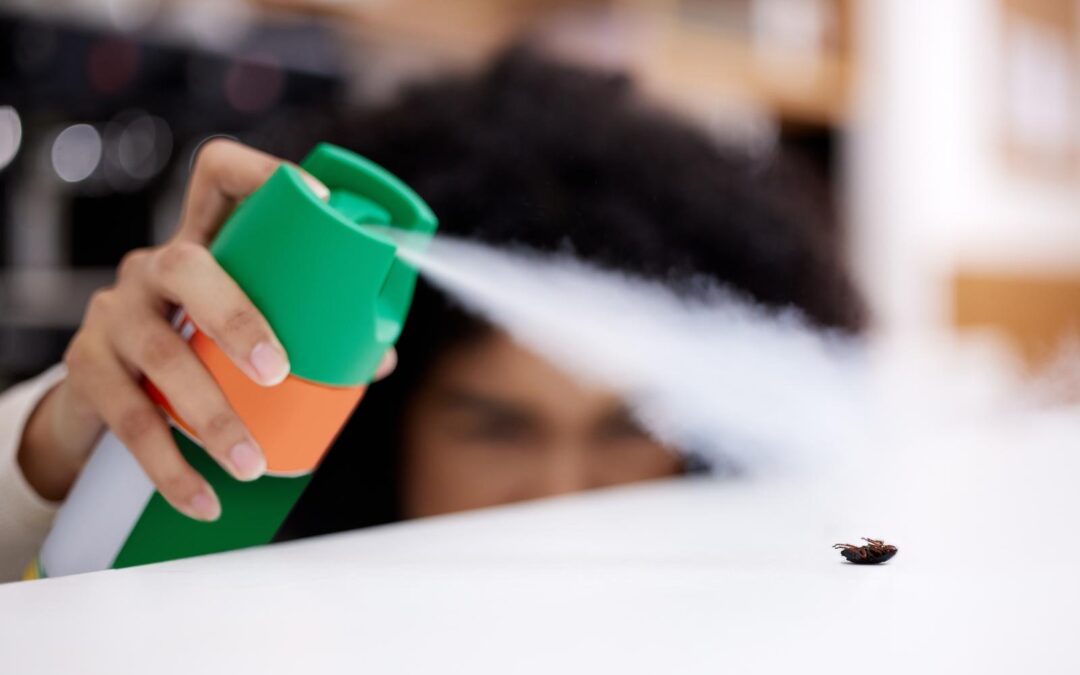
Most store-bought pest products are designed to kill on contact. They handle what is visible. They do not address where the colony lives, where eggs are laid, or how pests are getting into the structure in the first place.
For ants, wasps, and termites specifically, the visible pest is rarely the source of the issue. The nest almost always is.
Treating only the surface means the problem comes back. The nest survives, the colony replenishes, and you are back to square one within days or weeks.
How Summer Pest Behavior Complicates DIY Control
Pest activity does not stay the same throughout the season. It shifts. Here is what that looks like in practice:
- Early summer: Scout ants appear inside homes searching for food and moisture. Treating them with bait or spray at this stage can temporarily reduce visible activity without eliminating the colony.
- Mid-summer: Wasp and yellow jacket populations peak. Nests built inside soffits, wall voids, or ground cavities are difficult to reach and dangerous to treat without protective equipment and proper product application.
- Late summer into fall: Termite swarmers may already indicate an established colony. By the time most homeowners notice damage, the infestation has often been active for months or years.
A treatment that worked in April may have no effect by July. Pest behavior, colony size, and nesting patterns all change. DIY approaches rarely adapt with them.
The Five Pests DIY Products Struggle With Most
Ants
Ant colonies can contain hundreds of thousands of workers. Spraying the trail you see addresses maybe 10 to 20 percent of the actual population. The queen, who drives reproduction, remains protected deep in the nest. Without targeting the colony directly, the infestation continues.
Certain ant species, like odorous house ants and pavement ants, also react to repellent sprays by splitting their colonies. One colony becomes two. This is called budding, and it can actually worsen an infestation when the wrong product is used.
Wasps and Yellow Jackets
Ground-nesting yellow jackets are one of the most common mid-summer calls we receive. The entrance hole is small and easy to miss. Standard aerosol wasp spray reaches only the entrance, not the nest chamber itself.
Treating an active yellow jacket nest without the right product, protective gear, and knowledge of nest location is also a genuine safety risk, especially for anyone with a known sting allergy.
Termites
Termites cause more than five billion dollars in property damage across the United States each year, according to the National Pest Management Association. Most of that damage happens before the homeowner notices anything wrong.
Over-the-counter termite products do exist, but they are not designed to match the scale of an established subterranean colony. Professional termite treatment typically involves soil treatment, bait systems, or a combination of both, applied in a way that creates a continuous barrier around the structure. A store-bought product cannot replicate that.
Rodents
Rodents are another pest that DIY products often fail to control fully. Traps and bait stations may catch or remove a few mice or rats, but they do not always address how rodents are getting inside in the first place.
Mice can squeeze through very small openings, and once inside, they can nest in walls, attics, basements, garages, and storage areas. Without identifying entry points, sealing gaps, removing attractants, and placing control products correctly, the problem can come back quickly.
Bed Bugs
Bed bugs are one of the hardest pests to handle with DIY products. Store-bought sprays may kill the bed bugs they contact, but they often miss the ones hiding in mattress seams, bed frames, baseboards, furniture, outlets, and small cracks around the room.
Bed bugs also spread easily from one area to another, especially when people start moving bedding, furniture, or clothing without a proper plan. Because eggs and hidden adults can survive missed treatments, DIY efforts often delay proper control and allow the infestation to grow.
Safety Considerations Homeowners Often Underestimate
Store-bought pesticides are regulated and labeled for consumer use, but label instructions are frequently misread, ignored, or misapplied. Common mistakes include:
- Applying product in the wrong concentration
- Treating areas where children or pets have direct contact
- Using indoor-labeled products outdoors or vice versa
- Mixing products that should not be combined
Improper application does not just reduce effectiveness. It can create unnecessary exposure risks for your household. Licensed technicians are trained and certified in the safe application of professional-grade products, including those not available to the general public.
What We’re Seeing This Summer
Across Central Ohio, the pattern is consistent. Homeowners treat a visible pest problem, see improvement for a week or two, and then watch the same issue return, often worse than before.
The reason is almost always the same. The source was never addressed.
This is not a product problem. It is a diagnosis problem. Effective pest control starts with identifying what pest species is present, where it is nesting, how it is entering the structure, and what conditions are attracting it. Without that foundation, any treatment is guesswork.
When to Call a Professional
Consider scheduling an inspection if you are experiencing any of the following:
- You have treated the same pest problem more than once with limited results
- You are seeing signs of termite activity such as mud tubes, soft wood, or swarming insects near windows
- You have found a wasp, yellow jacket, or hornet nest inside or attached to your home
- Pest activity seems to increase despite treatment
- Someone in your household has a known allergy to insect stings
A professional inspection does not commit you to a treatment plan. It gives you an accurate read on what is actually happening before you spend more money on products that may not work.
At Champion Pest & Termite Control, we stand by our 3E Proven Process:
Next, we Explain. We walk you through what we are seeing, why the issue is happening, and how seasonal pest activity may affect the treatment plan. A strategy that works in May may need to be adjusted by July, which is why our team tracks local pest patterns and adapts as conditions change.
Then we Execute. Once we have a clear picture of the problem, we apply the right treatment plan for the specific pest, property, and season.
If you are dealing with a recurring pest issue this summer, we are happy to take a look. Contact us to schedule service now and get a clear plan before the problem gets worse.
Recent Comments