


As May settles into Central Ohio, mosquito and tick activity becomes more noticeable. Warmer temperatures, combined with spring rain and growing vegetation, create ideal conditions for these pests to thrive.
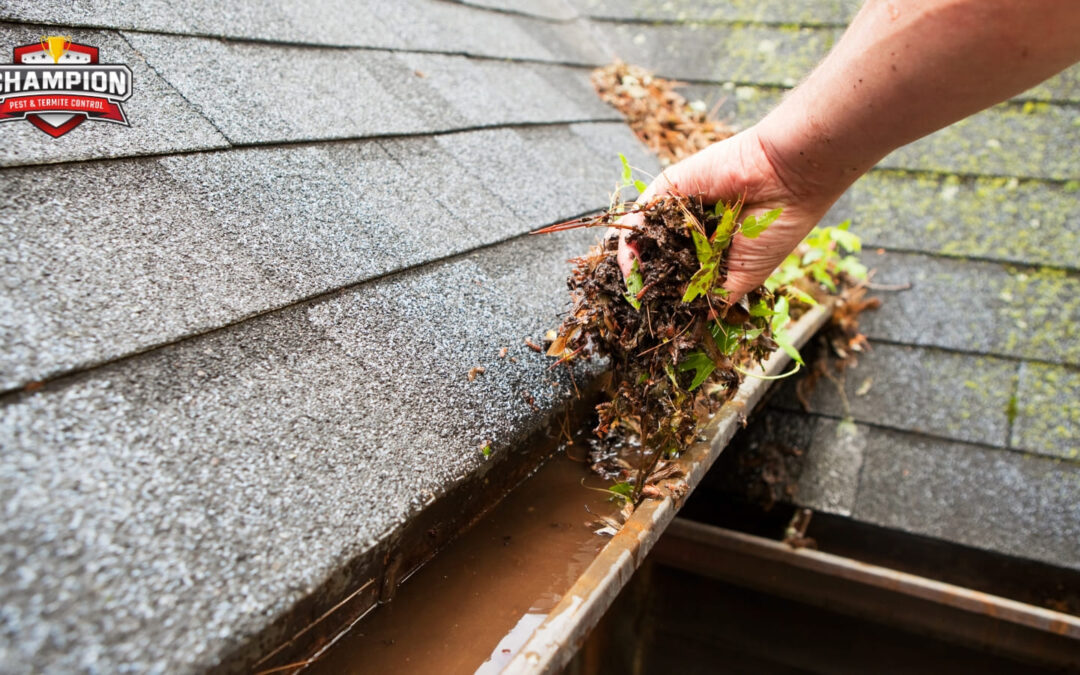
Mosquitoes rely on standing water to breed, and even small amounts, such as clogged gutters, flower pots, kids’ toys, or low spots in the yard, can quickly become problem areas. What catches many homeowners off guard is how fast this happens. Mosquitoes can go from egg to biting adult in about 7 to 10 days under the right conditions.
Ticks behave differently. They do not fly or jump. Instead, they wait in shaded, humid areas like tall grass, brush, and the edges of wooded spaces. This is called “questing.” They position themselves on the tips of grass or leaves and latch onto anything that brushes past, including pets, people, and wildlife.
This time of year is especially important because early preparation can significantly reduce activity later in the summer. Once populations build up, they become much harder to control.
Why Mosquitoes and Ticks Are a Real Concern
Mosquitoes are more than just a nuisance. In Ohio, they are known to carry diseases like West Nile virus. While not every mosquito is infected, increased mosquito populations raise the risk of exposure, especially during peak summer months.
Ticks present a different set of risks. Blacklegged ticks, also known as deer ticks, are found throughout Ohio and can transmit Lyme disease. Other tick species in the area can carry illnesses like Rocky Mountain spotted fever. These risks increase when ticks go unnoticed, which is common since many are very small, especially in their early stages.
For homeowners, this means your yard is not just a place for relaxing or entertaining. It can also be where exposure happens if conditions are right for pests.
Where These Pests Are Coming From
Mosquitoes tend to stay close to where they hatch. If you are seeing them consistently, there is likely a breeding source nearby. This could be on your property or even a neighboring yard.
Common mosquito breeding spots include:
- Clogged gutters holding water after rain
- Bird baths that are not regularly changed
- Planters and pots without proper drainage
- Tarps, covers, or plastic items that collect water
- Low areas in the yard that stay wet
Ticks are more tied to environment than water. They thrive in:
- Tall grass and overgrown areas
- Leaf piles and mulch beds
- Edges where lawns meet woods or brush
- Shaded areas that stay damp
If you have pets, wooded areas, or wildlife activity nearby, your chances of tick exposure are higher.
A few practical steps include:
Eliminating standing water wherever possible
Even small amounts matter. Walk your yard after a rain and look for anything holding water. Dump it, drain it, or fix the issue.
Keeping grass trimmed and vegetation maintained
Short grass and trimmed edges reduce the places ticks can hide and make your yard less attractive overall.
Paying attention to shaded or damp areas where ticks may hide
Focus on fence lines, tree lines, and areas that do not get much sunlight. These are common tick zones.
Changing water sources regularly
If you have bird baths or pet water bowls outside, refresh them every few days to prevent mosquito breeding.
Clearing out debris
Leaf piles, brush, and yard waste create ideal environments for ticks. Keeping these areas clean helps reduce activity.
Checking pets and clothing after being outside
Ticks often enter the home by attaching to pets or clothing. A quick check can prevent them from spreading indoors.
What We’re Seeing Around Central Ohio:
We’re seeing increased mosquito activity following rainy days, especially in neighborhoods with poor drainage or areas where water collects easily. Even a few days of standing water is enough to trigger a spike.
We are also seeing more reports of tick exposure in residential yards, not just wooded areas. Homeowners are often surprised to find ticks in their own grass, especially near landscaping beds, fences, and shaded corners of the yard.
Tick activity tends to increase as temperatures stabilize, and once they are established in an area, they can remain active throughout the season.
Maintaining your yard and staying aware of pest-prone areas can go a long way in reducing activity. If mosquitoes or ticks are becoming more noticeable, professional treatment can help manage populations and make outdoor spaces more comfortable.
Recent Comments