
Wasp Exterminator
Columbus Ohio
Protect Your Home With Champion’s Pest Control Services
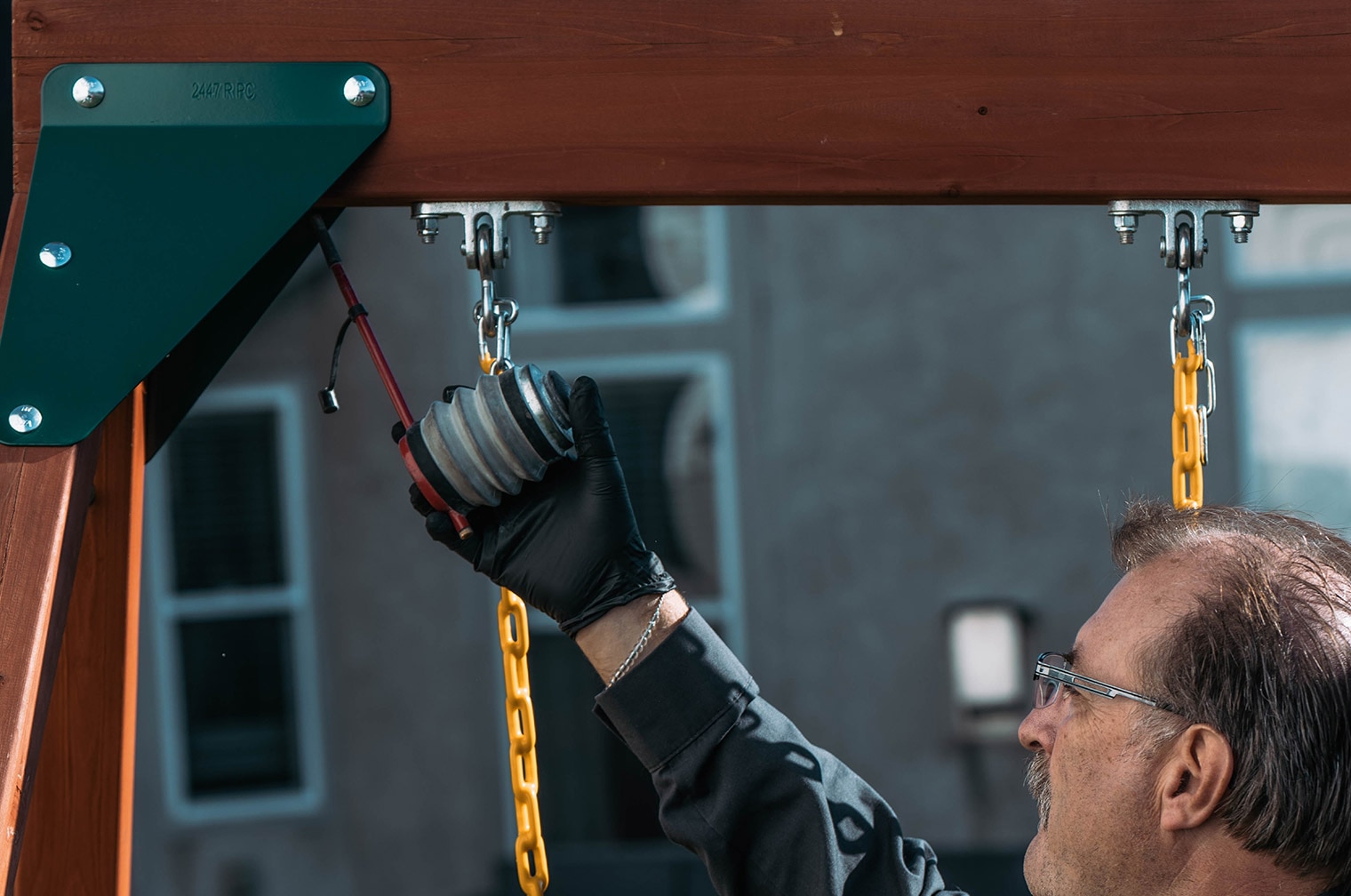
Enjoying the outside spaces of your Columbus, Ohio home can be difficult when wasps, bees and other bugs are present. While bees are not usually aggressive, wasps are easily agitated insects that can interrupt outdoor activities and even cause damage to your property. If you notice signs of a wasp or bee infestation, act fast and contact Champion Pest & Termite Control. Our trained exterminators will remove the nest if it’s possible and accessible, provide wasp, hornet and bee removal services, extermination services plus other needed pest control services. Fill out our online form to request a quote today.
Got a Wasp Problem?
Get a Quote
What is a Wasp?
A wasp is a type of stinging insect that’s common in Columbus and the buckeye state. Similar to honey bees, social wasps like yellow jackets, paper wasps and bald-faced hornets build colonies with a queen and workers. Unlike honey bees, however, wasps can sting repeatedly. These easily agitated insects may swarm if their nest is disturbed. While honey bees make honey and bees are hairy, wasps don’t make honey and usually have smooth skin.
Why Are They a Problem?
Although wasps can be good for pest control by feeding off other insects and spiders, these stinging insects can cause problems for you and your Columbus, Ohio home, especially if you are allergic. Attempting nest removal yourself or simply getting too close can leave you vulnerable to stings. While we love and respect bees for the role they play in the environment as pollinators, it’s not ideal to have them living close to your house.
Wasps Can Harm People and Pets
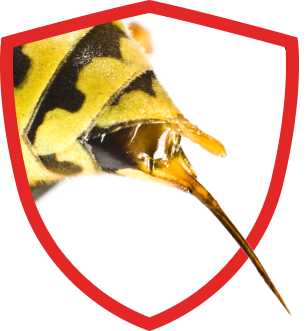
A wasp won’t typically go out of its way to sting you, but it will use stinging as a form of defense if it feels threatened. Additionally, when a wasp or hornet is in distress, it releases a pheromone that causes other nearby wasps to become aggressive. Stings typically aren’t life threatening, but they can be painful, problematic for people who are allergic to venom from this insect, and harmful to pets.
Wasps Can Damage Property
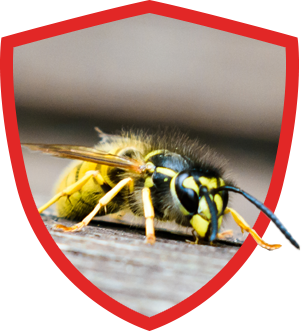
Since a wasp uses wood to build its home, it can chew holes into your wood surfaces, potentially causing structural damage to your Columbus property.
Why Wasps Build Nests on Your Property
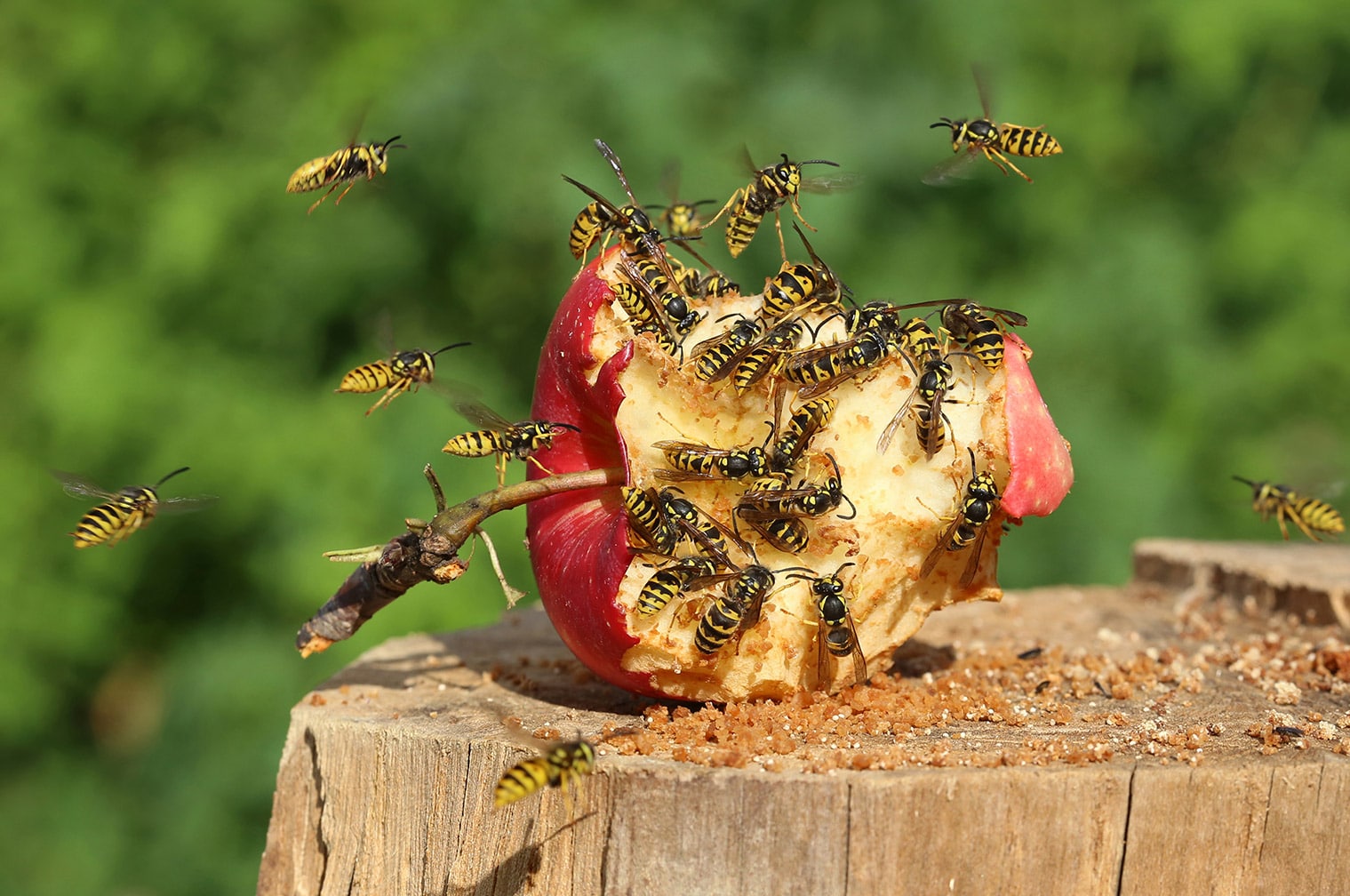
Gardens can attract wasps to the outdoor areas of your Columbus, Ohio property. A wasp will also be attracted to food such as fallen apples, juice, and soda, as well as food crumbs and open garbage cans. Once they’ve decided your property is a suitable place to live, wasps will build a nest. These are often located in areas like gutters, near windows, under porches and decks, sheds, garages, and attics. While bees build their nests using a wax-like substance, many wasps build paper-like nests using chewed wood pulp and saliva.
Signs Of A Wasp Infestation
Know What To Look For
Wasps Flying Around
If you notice more wasps flying in a certain area than usual or notice a swarm, there may be a wasp nest nearby.
Chewed Wood
Since a wasp builds its nest using chewed wood pulp, you may notice holes or tunnels chewed into nearby wood.
Nests Are Visible
Seeing a partially or fully built nest is a strong sign you have a wasp or hornet infestation, or will in the near future.
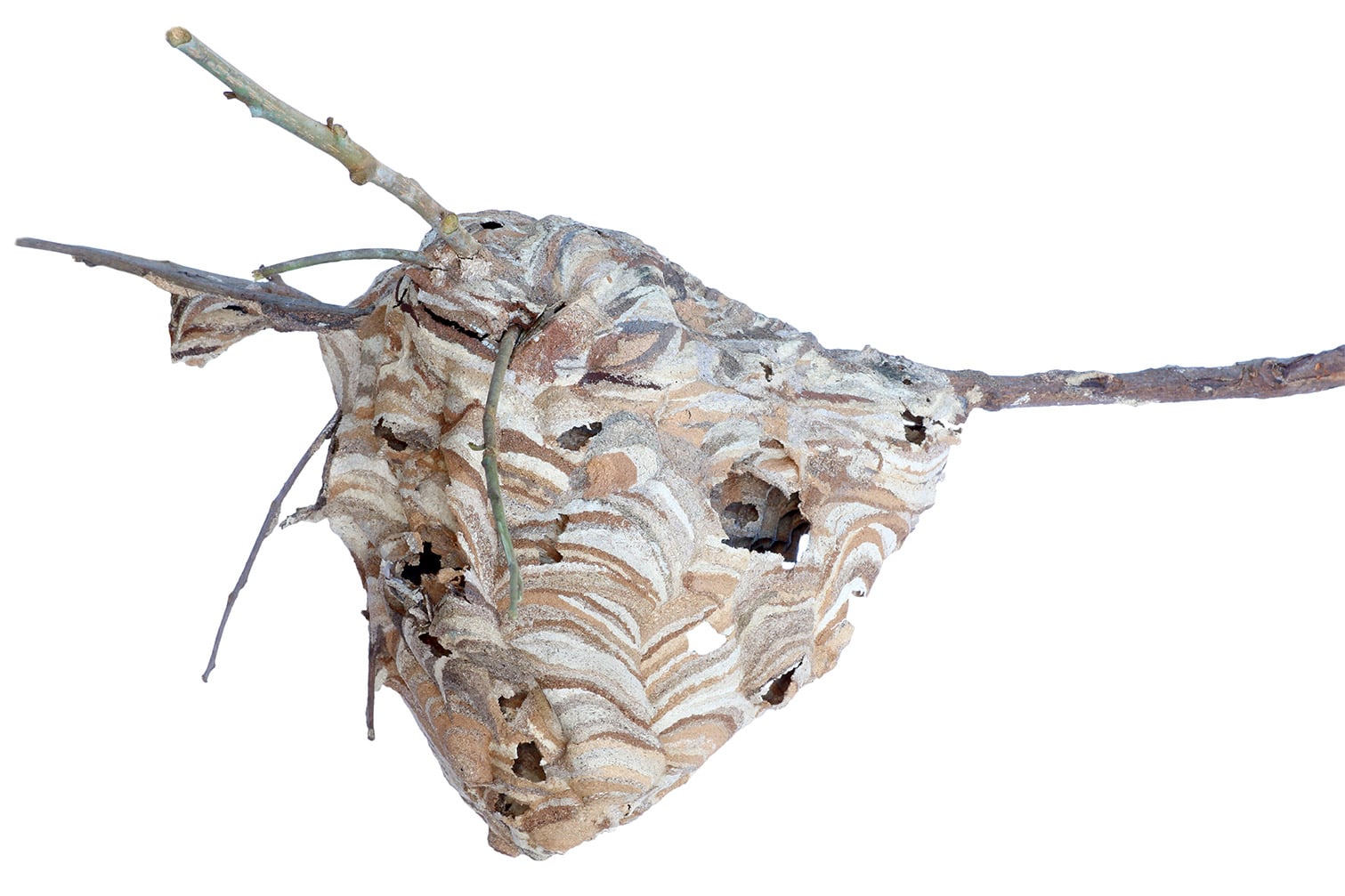
Wasp Varieties in Columbus
The buckeye state is home to multiple wasp types that vary in size and color.
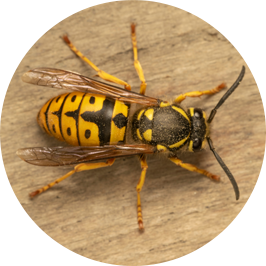
Yellow Jacket
Most yellow jackets are yellow and black, although they can also have red or white markings. They typically grow to about 3/8 to 5/8” long, and their nests can have thousands of wasp residents.
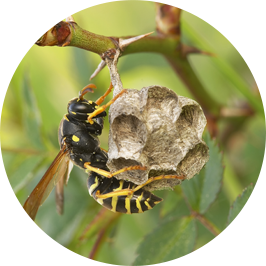
Paper Wasp
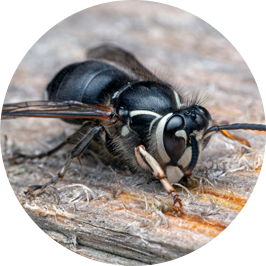
Bald-Faced Hornet
Wasp Control FAQs
How can I tell if the bees at my home are honeybees?
Honeybees are typically golden-brown with black bands and have a fuzzy appearance, especially compared to wasps. You may notice bees flying calmly in and out of a single opening, such as a gap in siding, brick, or a wall void. Honeybees are usually less aggressive and are often seen gathering pollen on flowers rather than hovering around food or trash. In Ohio, honeybees are most active in spring and summer, when colonies are growing and foraging. Swarming activity is most common in late spring to early summer as colonies relocate. If you suspect honeybees, it’s important not to disturb them. Proper identification matters, as honeybees are beneficial pollinators and often require special handling or relocation. A professional can confirm what you’re seeing and recommend the appropriate next steps.
What’s the difference between bees, wasps, and yellow jackets?
From a pest control perspective, the key differences come down to behavior, nesting habits, and risk to people:
- Bees are fuzzy, generally calm, and focused on pollinating plants. They typically sting only when threatened and often build wax hives in protected spaces or swarm temporarily while relocating. Because bees are beneficial, proper identification is important, and relocation is usually recommended rather than treatment.
- Wasps have smooth bodies and are more territorial. They commonly build papery nests on eaves, soffits, trees, or structures. Wasps can become aggressive when their nest is disturbed and may sting multiple times, which makes professional removal important when nests are close to people.
- Yellow jackets are a type of wasp but are more aggressive and more likely to sting. They are often mistaken for bees but are slimmer and less fuzzy. Yellow jackets frequently nest underground or inside wall voids and are strongly attracted to food and drinks, especially in late summer. Because of their behavior and nesting locations, yellow jackets pose a higher risk and should be handled by professionals.
Correct identification is critical, as each insect requires a different approach. A trained technician can safely identify the insect, assess the risk, and recommend the most effective and responsible solution.
Do bees return to old hives?
Honeybees typically do not reuse old hives once a colony has died or been removed. However, if remnants such as wax, honey, or scent remain inside a structure, those materials can attract new swarms to the same location in the future. This is why proper removal and cleanup are important. While it may not be the same bees returning, an untreated hive site can increase the chances of new bees moving in.
Are carpenter bees dangerous?
Carpenter bees are generally not dangerous, but they can still be a concern. Male carpenter bees may act aggressive by hovering near people, but they do not have stingers. Female carpenter bees can sting, but they rarely do unless they are handled or threatened. The bigger issue with carpenter bees is property damage, not stings. They bore perfectly round holes into wood to create nesting tunnels, which can weaken fascia boards, decks, railings, and other wooden structures over time. Professional treatment helps protect your home by stopping activity and discouraging future nesting.
Are bees pollinators? Are wasps beneficial or just pests?
Yes—bees are important pollinators and play a vital role in the environment. Wasps are different. While they can help control other insect populations by feeding on pests, they can become a safety concern when nests are built near homes, patios, or high-traffic areas. In those situations, professional removal helps protect people and pets while addressing the issue safely.
Can I remove a wasp nest myself?
It’s not recommended. Attempting to remove a wasp nest on your own can be dangerous, as wasps will aggressively defend their nest and multiple stings can occur quickly. Professional removal ensures the nest is handled safely, at the right time, and with proper equipment—reducing the risk of injury to you, your family, and pets.
Why are so many bees flying around my house?
Bees and wasps are often attracted to food sources, sugary drinks, open trash, and flowering plants around a home. Bees may also be drawn to flowering landscaping or water sources, while wasps are commonly attracted to protein-based foods and outdoor eating areas. Increased activity can also mean there is a nest or hive nearby, which is why proper identification is important.
What should I do if I see a swarm of bees?
Stay calm and do not disturb the swarm. Swarming bees are usually temporary and are often resting while searching for a new location. Avoid loud noises, sudden movements, or attempting removal yourself. Most swarms people encounter are honeybees, and swarming is a normal behavior that occurs when a colony is relocating. During this time, honeybees are typically less aggressive because they are focused on finding a new home, not defending a nest. Even so, they should not be disturbed. In most cases, a swarm will move on within a few hours to a couple of days once a new nesting site is found. Contact a pest control professional to properly identify the bees and recommend the safest and most appropriate next steps, which may include a referral for relocation rather than treatment, so the situation is handled responsibly and safely.