

Termite Control
Columbus Ohio
Protect Your Home From Termites
Keep your Columbus home safe from pest and termite damage with termite control services from Champion Pest & Termite Control. Our team has years of experience treating for termites, insects and other pests, so you can count on high-quality service and results.
Wood floors, walls, furniture and more are all vulnerable to termite attacks. The Eastern Subterranean Termite – the most destructive termite and the most common in Central Ohio – can cause major damage to your house in a matter of months. If you suspect termites, act fast to free your house of these pests and minimize destruction.
Champion’s state-licensed technicians provide pest control services and termite control services to rid your property of existing termites and prevent new ones from moving in. Contact us to learn more and schedule your pest and termite control service.
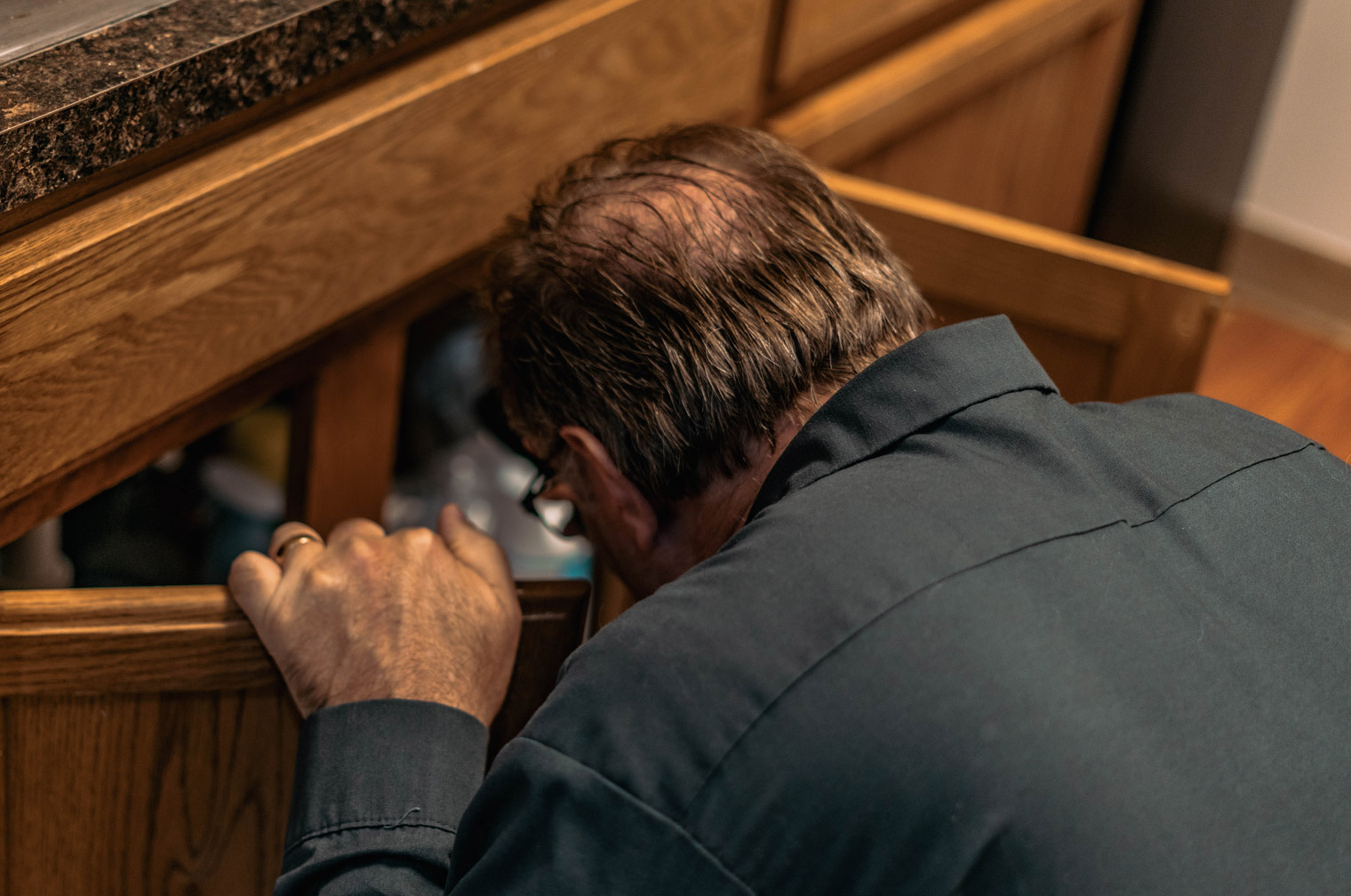
Got a Termite Problem?
Get a Quote
What are Termites?
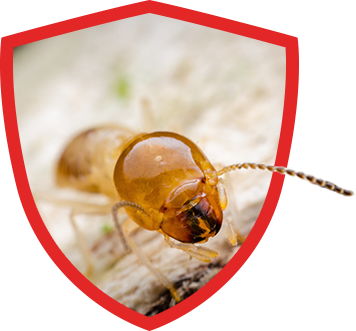
Termites are small, winged insects that live in colonies underground or build nests in wood that they hollow out. Termites eat cellulose, the main component of wood, paper, cardboard, and other plant-based materials, making them extremely destructive to homes.
Why are Termites a Problem?
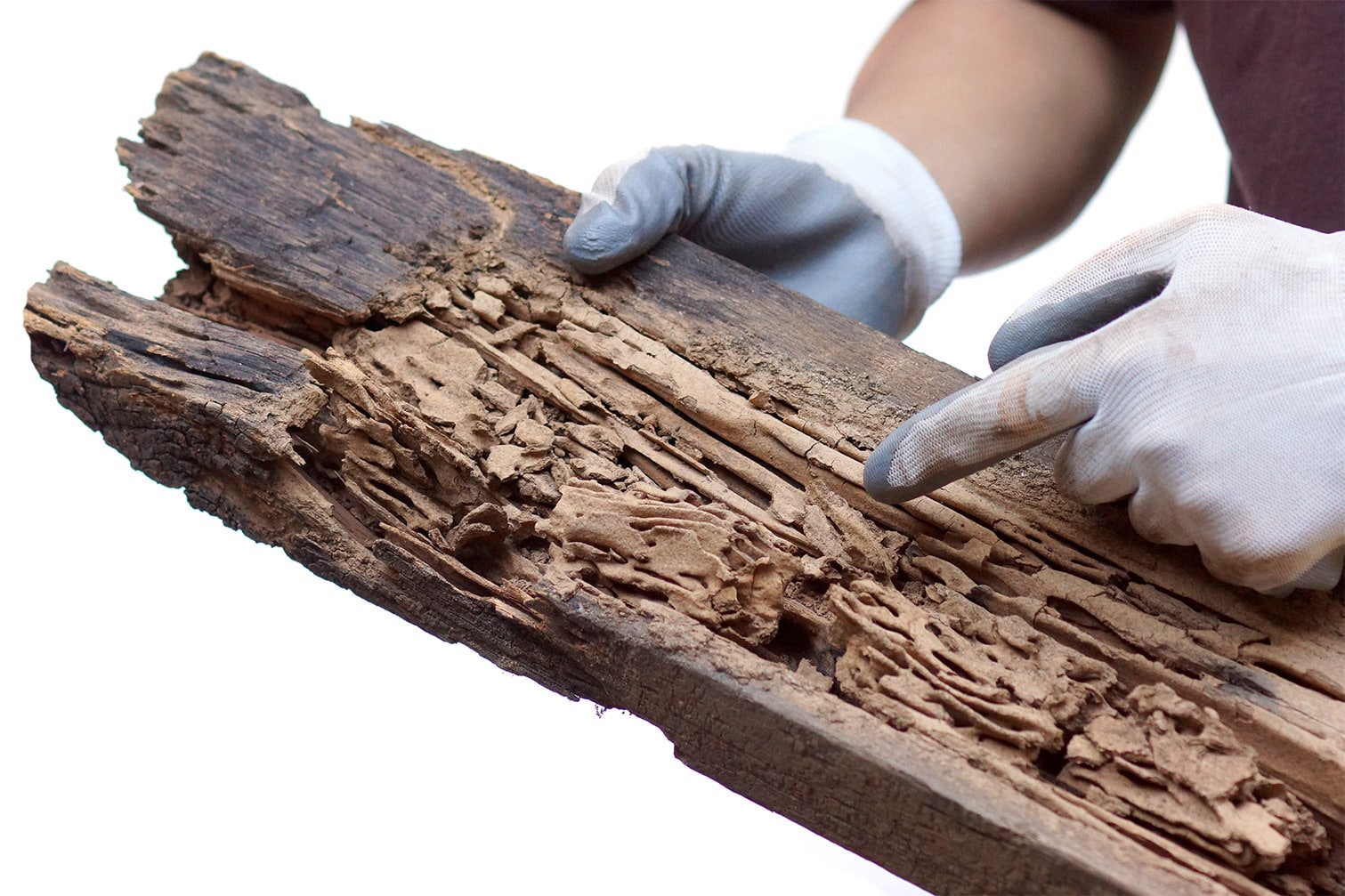
Eastern subterranean termites eat the soft inner wood of the timber in your house, creating honeycomb-like hollows and leaving only the basic outline of a board. This severely weakens the structural integrity and requires costly repair service. These pests only need as little as six months to cause major damage. Regular inspections and preventative measures can save you money in the long run. Contact us to learn more about our services.
Why are Termites hard to spot?
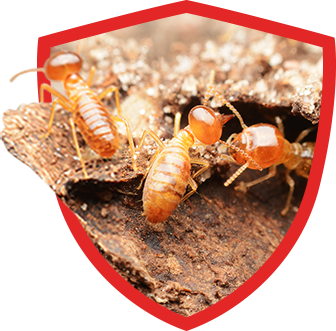
Termites live underground and shy away from light, which, in addition to their size, makes it hard to see them. Swarms of termites can also be confused as swarms of ants in the spring and summer.
Make Your Home Termite Free with Professional Pest Control Services
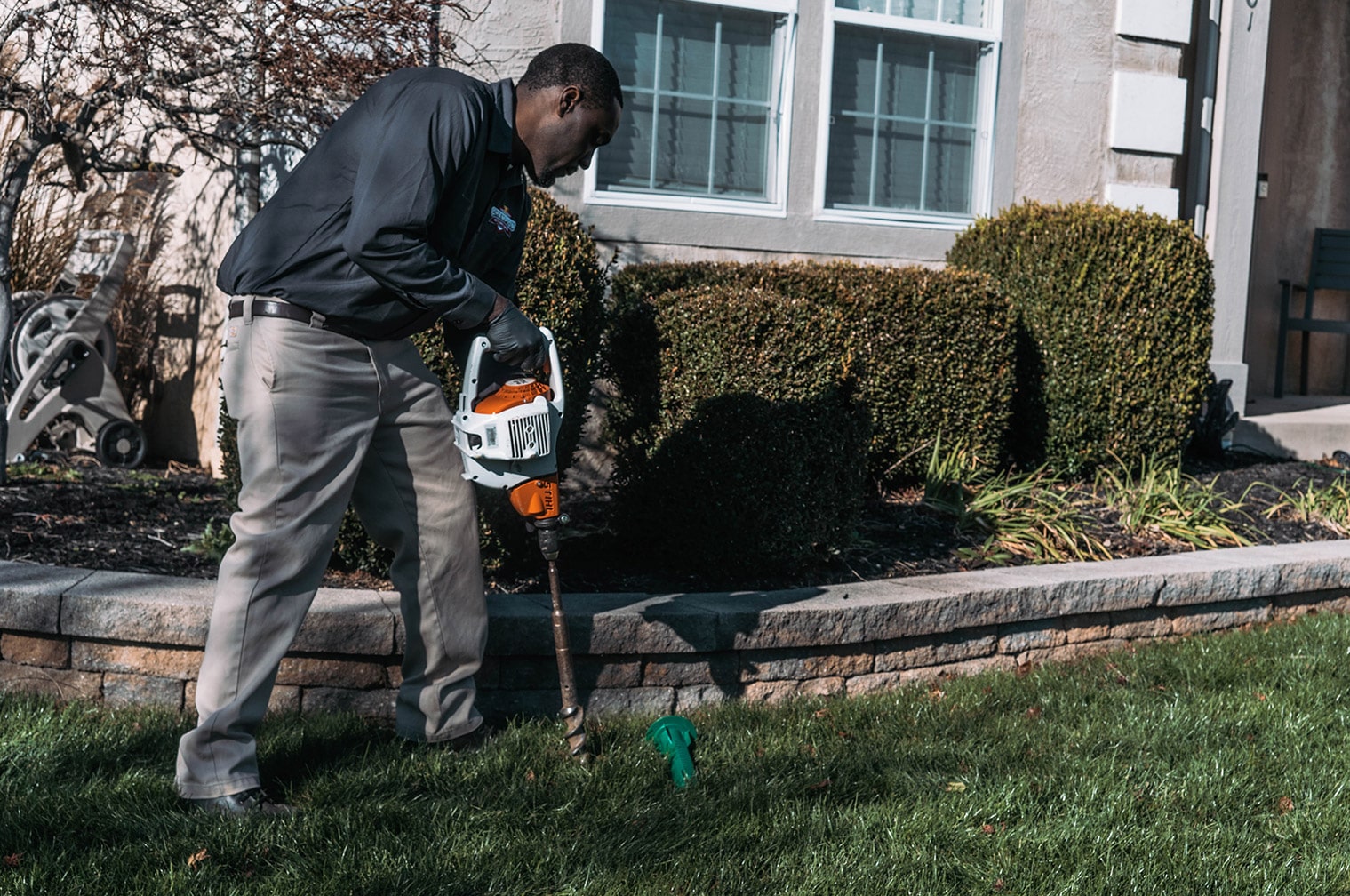
The pros at Champion Pest & Termite Control in Columbus can service your home to eliminate current infestations and prevent future pests. DIY extermination attempts usually cause more problems. Full and fast elimination requires a professional extermination service and usually involves termite bait to destroy the entire nest. Only once an infestation is entirely exterminated can you begin repairing the damage left behind. When you have termites, insects and pests, leave the extermination work to the experts at Champion.
Fill out our contact form or call us at (614) 829-6705 to learn more and schedule service.
Warning Signs of Termites
Temporary swarms of insects in your Columbus home or in the soil around your house may be termites. Cracked or bubbling paint, wood that sounds hollow when tapped, mud tubes on your walls, wood beams or crawl spaces, and discarded wings near your windows are also signs of a potential infestation. If you see any of these signs, call us to learn more and request pest control services.
Types of Termites
There are three types of termites that may infest your Columbus Ohio home. It’s important to learn the differences and contact an expert for pest extermination services.
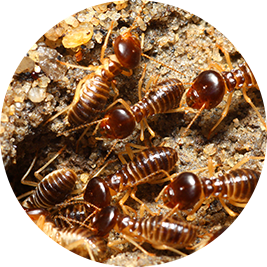
Subterranean Termites
Subterranean termite swarmers are dark brown to black in color with two pairs of wings, workers are cream-colored with no wings, and soldiers are creamy white with a brown head and no wings. Request service if you see subterranean termites.
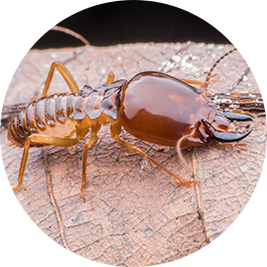
Drywood Termites
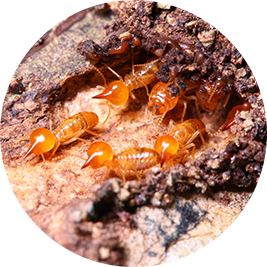
Dampwood Termites
Termite Control FAQs
How does termite treatment work?
Termite treatment works by targeting the entire colony, not just the termites you see. At Champion, we use the Sentricon® baiting system, a proven approach designed to eliminate termite colonies at the source. Sentricon bait stations are placed strategically around the home where termites are likely to travel. Termites feed on the bait and carry it back to the colony, sharing it with other termites. Because the product is slow-acting, it allows time for transfer throughout the colony, ultimately leading to colony elimination.
What are the signs of a termite infestation?
Common signs of termite activity can include mud tubes along foundations or walls, discarded wings near windows or doors, and wood that sounds hollow when tapped. You may also notice blistered or bubbling paint, which can resemble water damage, or damaged wood structures that appear cracked or weakened. Because termites often remain hidden inside walls, floors, or crawlspaces, many infestations go unnoticed until damage is already present. If you see any of these warning signs—or if you’re unsure—a professional inspection can help confirm activity and identify problems early before costly repairs are needed.
What are termite swarmers and what does it mean if I see them?
Termite swarmers are winged reproductive termites that emerge to start new colonies. Seeing swarmers indoors or around your home often indicates a nearby or existing termite colony. Swarmers are commonly seen in spring, especially after warm weather and rain. If you notice swarmers or discarded wings, it’s important to schedule a professional inspection as soon as possible.
What can I expect after termite treatment?
After termite treatment, the goal is to eliminate the active colony and protect your home from future activity. Because termites can form multiple colonies and forage over areas as large as a football field, ongoing monitoring and protection are important even after treatment is completed. After the bait stations are installed, technicians will continue to monitor bait stations or treated areas to ensure termites remain controlled and to detect any new activity early. While treatment addresses existing termites, continued coverage helps protect your home from additional colonies that may attempt to establish themselves over time.
Is termite treatment safe for my family and pets?
Absolutely! Champion’s termite treatments are applied by trained, state-licensed professionals with safety as a top priority. Our Sentricon® baiting system is placed discreetly in the ground around your home, where termites travel—not in living spaces. Because the bait works within the termite colony and is contained inside secure stations, it allows us to target termites while minimizing exposure to people and pets. All treatments are applied according to strict guidelines, and technicians use only what’s necessary to be effective. This approach provides powerful termite protection while keeping your household safe and comfortable.
Can I treat termites on my own?
Treating termites on your own is not recommended. Termites live hidden inside walls, foundations, and soil, and DIY products typically only address what’s visible—not the entire colony. Without eliminating the colony, termites can continue causing damage unnoticed. Professional termite treatment is designed to target termites at the source using colony-level control methods. These approaches require proper placement, monitoring, and expertise to be effective. A professional inspection and treatment plan is the safest and most reliable way to protect your home from long-term termite damage
Does homeowner’s insurance cover termite damage?
In most cases, no. Homeowner’s insurance typically does not cover termite damage because it’s considered preventable with routine inspections and maintenance, rather than a sudden or accidental loss. This is especially important because termites cause billions of dollars in damage each year in the U.S.—more than fires, floods, and storms combined. Unlike natural disasters, termite damage often happens slowly and out of sight, which is why it can become extensive before it’s discovered. Because repairs are usually an out-of-pocket expense, regular termite inspections and proactive treatment are one of the most effective ways to protect your home and avoid costly structural damage.
What should I do if I need to do landscaping in an area with termite bait stations?
If you’re planning major landscaping or digging near termite bait stations, please remove the bait stations and set them to the side until your project is complete. Termite bait stations are placed in specific locations to intercept termite activity, and moving or disturbing them can reduce their effectiveness. Once the project is compete, our team will reinstall the stations to ensure continued protection. Bait stations can be lightly covered with mulch, but they should not be buried deeply, blocked, or damaged, and the station lids must remain accessible for inspection and maintenance.
Does seeing termite swarmers mean my home is being damaged?
Not always, but it does mean termites are active nearby and should be taken seriously. Swarmers indicate that a termite colony is mature and attempting to reproduce, which can happen whether or not visible damage is present. Because termites often remain hidden inside walls, floors, or structural wood, damage can occur long before it’s noticeable. A professional termite inspection is the best way to determine whether there is active infestation or existing damage. If damage is found, it may also be appropriate to have a licensed contractor evaluate the affected areas to assess the extent and any necessary repairs. Early detection helps limit both structural damage and repair costs.
When do termite swarmers appear in Ohio?
In Ohio, termite swarmers are most commonly seen in the spring, usually after rainfall when temperatures rise. Swarming is a seasonal event and often one of the first visible signs of termite activity.
Are termite swarmers the same as flying ants?
No. Termite swarmers are often mistaken for flying ants, but they have straight antennae, equal-length wings, and thick waists, while ants have bent antennae, uneven wings, and narrow waists. Proper identification is important because termite swarmers signal a potential structural issue.
What should I do if I see termite swarmers in my home?
Do not spray or vacuum them away without documentation. If possible, collect a sample or take photos and send them to us right away. Early inspection can help prevent costly damage.
Does seeing swarmers mean my home is being damaged?
Not always, but it does mean termites are active nearby. Because termites can remain hidden for long periods, a professional inspection is the only way to determine whether damage is present.