

Rodent Control
Columbus Ohio
How To Get Rid of Mice in Columbus, Ohio
Although mice are a popular household pet, they can also be a huge pest when they enter your home uninvited. Let the professionals at Champion Pest & Termite Control be your mouse infestation solution.
Mice are amongst the smallest of rodents, generally averaging half the size of a rat, but they can still do major damage to your home and put your family’s health at risk. The house mouse and the deer mouse are amongst the most common invaders in Central Ohio. It only takes a hole ¼ inch or larger to entice a mouse into your house and they can easily widen it, leaving teeth marks behind. Homes plagued by rats or mice are at a high risk of fire due to damaged wiring. Between 8% and 25% of house fires with unknown origins are suspected to be caused by rodents.
Our professional extermination team will complete a thorough inspection, initiate a full removal, and complete the disposal of all pests, as well as offer preventative solutions for the future. A mouse infestation damages your home and produces unsanitary eating conditions. Don’t risk your family’s health, request a quote from Champion Pest & Termite Control today to solve your mouse problem.

Got a Rodent Problem?
Get a Quote
DIY Isn’t Always The Answer!
Seeing live or dead rats in or around your home is the most direct sign of an infestation. You may see dirt or grease marks along floorboards or baseboards or find abandoned nests outside in your bushes, trees, or wood pile. A thorough inspection of your home would show multiple entry points and evidence of chewing damage. You will also begin seeing piles of droppings and hear scurrying or squeaking at night in the walls. Unfortunately, all of these signs mean you have a full-blown infestation and need the help of a professional exterminator.

Identify Your Rodents
Rats and mice are commonly misidentified by homeowners which can lead to ineffective DIY removal. Different traps are available, but they will only deal with an individual, not a whole colony. Rats are also smart creatures who tend to avoid unidentified objects placed in their paths. Cornered rats are aggressive and may bite or claw to avoid being captured. If you do trap a live rat, now you must find a way to either dispose of it or relocate it safely far away. All that work for a single rat while hundreds remain hidden in your walls, attic, or basement. Setting out bait is also not a good DIY solution. Poisons are slow acting, meaning rats could perish inside your walls, air ducts, or anywhere else they scurry after ingesting the bait. In addition, baits can be very harmful to kids and household pets.
Call the Professionals
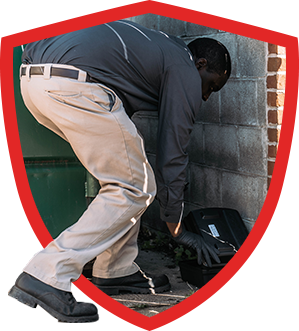
It is difficult to eradicate mice with home remedies. Snap traps and glue traps come with a nasty disposal requirement and can be dangerous if small hands or pet paws decide the trap is a toy. Both these devices can seem unnecessarily cruel compared to removal methods used by professional exterminators. More humane, live traps require relocation of the mouse to a safe place. Any traps used are only intended to catch individuals, leaving the rest of the colony free to keep reproducing. Poisoned baits are another option, but these chemicals are unsafe for homeowners to handle and there is no way to control where the mouse might wander before it dies.

Make Your Home Rodent Free with Professional Pest Control Services
Our exterminators will work to remove the entire colony, minimize the damage caused, and help prevent further infestations. After effective removal, our team will identify and seal holes where rats were entering and perform a thorough inspection, cleaning, and disinfection of the area; leaving you a healthy, pest-free home once again. Don’t delay, contact the team at Champion Pest & Termite Control to rid yourself of rats for good!
A Health Risk That Hides
Due to their small size and ability to collapse their bodies, mice can enter your home through holes much smaller than you might imagine; an opening the diameter of a number 2 pencil is all it takes. They will also scale walls, climb tree branches, scurry over wires, wade through pipes, and chew their way in through window and door seals, exterior siding, or flooring and baseboards. Once inside, they will make nests in your walls where they remain until they come out to hunt for food at night.
It isn’t just the physical damage that you need to worry about. The saliva, droppings, and urine of mice can carry dangerous diseases such as salmonella and hantavirus (a severe, sometimes fatal, respiratory virus passed from rodents to humans). Because rodents can chew through cardboard and plastic containers with ease, food is best kept in glass jars or heavy-duty metal tins. There can be no compromises when it comes to your family’s safety, so any items that have evidence of tampering or are near mouse droppings should be discarded and the kitchen and pantry will need to be cleaned and disinfected.
Types of Rodents
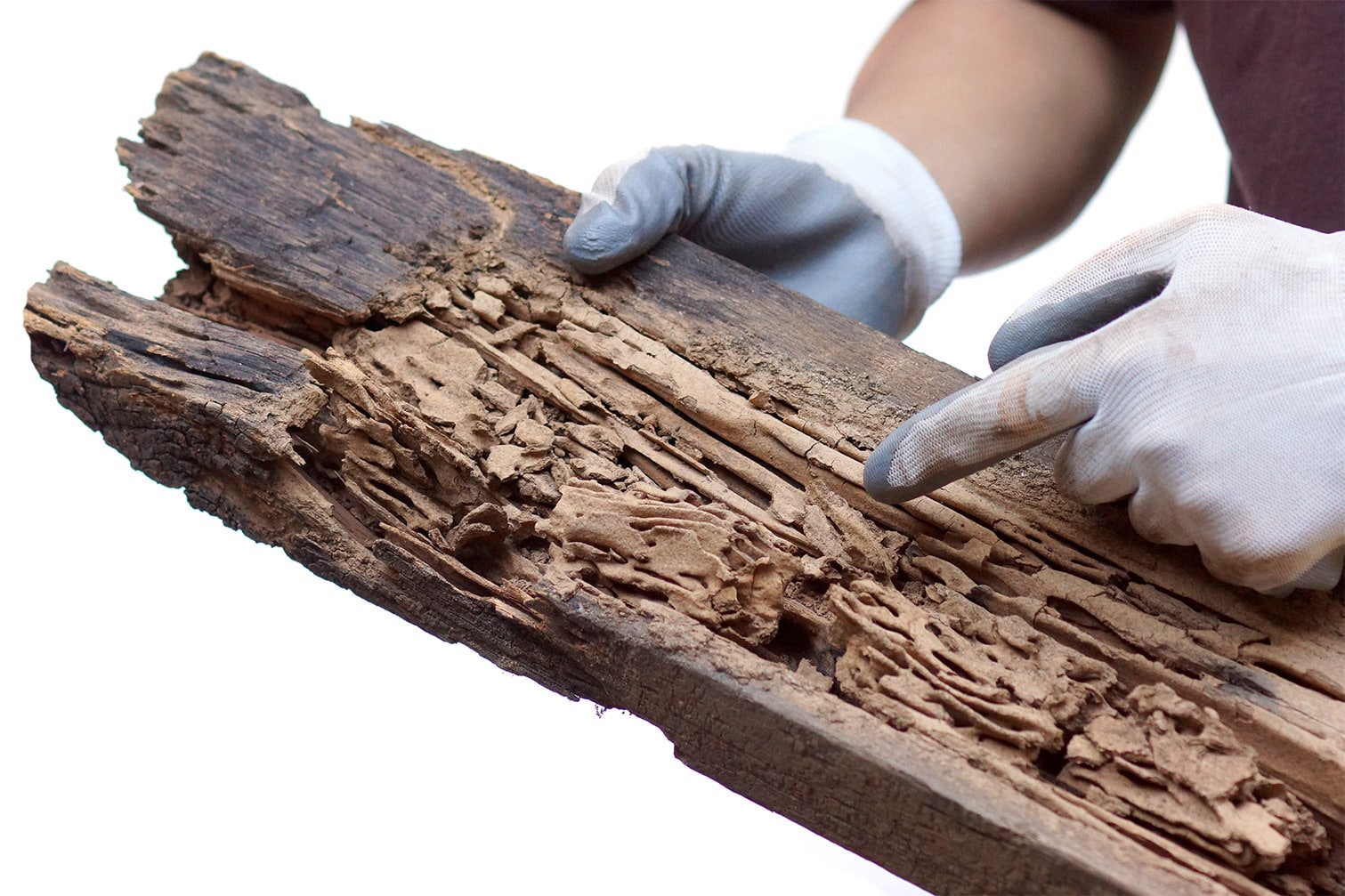
Rats and mice rank just behind termites in causing the most extensive and expensive damage to buildings. They are indiscriminate chewers and will gnaw through support beams, floorboards, plastic, adobe, brick, cloth, wires, siding, pipes, insulation, ductwork, and even weakened concrete.

Deer Mice

House Mice

Norway Rat
Roof Rat
Rodent Control FAQs
What are early signs of rodent infestation?
Early signs of rodents can include droppings, gnaw marks on food packaging or wood, musky or ammonia-like odors, grease or rub marks along walls, and scratching or scurrying sounds in walls or ceilings—especially at night. Champion technicians are trained to look beyond the obvious. During an inspection, they identify entry points, follow rodent travel routes and trails, and assess conditions that attract rodents based on their habits and behavior. Catching these signs early allows us to address the problem before it becomes a larger infestation.
Are ultrasonic repellents effective?
Not Research has shown that ultrasonic repellents are not reliably effective for controlling rodents. While the sound may initially startle them, rodents quickly adapt or simply move to untreated areas. These devices do not eliminate rodents, seal entry points, or address the food and water sources that attract them in the first place. Champion technicians rely on proven methods backed by industry research. By understanding rodent behavior and travel patterns, our technicians use professional baiting strategies, perform exclusion work, and help identify ways to remove access to food, water, and shelter. This comprehensive approach not only resolves the current issue but also helps prevent rodents from returning.
Can rodents cause damage or pose health risks in my home?
Yes. Rodents constantly gnaw to keep their teeth from overgrowing, and electrical wiring is a common target. Chewed wires can lead to power outages, costly repairs, and serious fire hazards. In addition to property damage, rodents can carry and spread serious diseases, including hantavirus and salmonella, through their droppings, urine, and contaminated surfaces. As they move through a home, they can contaminate food and living areas. Champion technicians are trained to identify early signs of rodent activity, address damage risks, and eliminate conditions that allow rodents to remain or return.
Can rodents climb walls or jump into attics?
Yes. Mice and rats are excellent climbers and can scale vertical surfaces such as brick, siding, and utility lines. In fact, mice can squeeze through openings as small as a dime, allowing them to access walls and attics through tiny gaps most homeowners never notice. Champion technicians know where rodents are most likely to enter and focus on identifying and sealing these access points to keep them out.
I just saw one mouse or rat—do I really have an infestation?
Possibly. Rodents reproduce very quickly. In fact, a single female mouse can have up to 10 litters in a year, which means what looks like one rodent can quickly turn into a much larger problem. Because rodents are mostly active at night and stay hidden, seeing one is often a sign that others may already be present. Addressing the issue early makes control easier and helps prevent a full infestation.
My house is clean—why do I still have rodents? What attracts them?
Even very clean homes can attract rodents. Mice and rats are mainly looking for shelter, warmth, and easy access, not just indoor food. Common attractants include small entry points, attics and crawl spaces, pet food, bird seed, and unsecured trash. Outdoor factors such as grills, compost piles, woodpiles, dense landscaping, and overgrown vegetation near the home can also draw rodents closer. Champion technicians identify these conditions and address entry points and nesting areas to help prevent rodents from returning.
After mouse or rat service, will you come back to remove dead rodents?
If a Champion technician finds an expired rodent during a scheduled visit, they will remove it at that time. However, if a rodent expires between scheduled visits, we recommend safely disposing of it using gloves and proper sanitation. This approach allows us to focus on eliminating the source of the problem while keeping service efficient and effective.
Will a mouse die in my house or walls?
It’s possible, but not common. Most mice prefer to leave the structure in search of water after treatment. In some cases, a mouse may expire inside a wall or hidden area, which can occasionally result in a temporary odor. When this happens, the smell usually dissipates on its own within a short period of time. Champion technicians focus on proper placement and control methods to minimize this risk while effectively resolving the rodent issue.
Can I get rid of mice myself?
Some homeowners are able to catch an occasional mouse using traps, but DIY methods often address only what you see—not the full problem. Mice are skilled at hiding, reproduce quickly, and can enter through very small openings. Without identifying entry points, nesting areas, and travel paths, the issue often continues or returns. Professional rodent control goes beyond trapping by using proven placement strategies, exclusion work, and prevention methods to eliminate mice at the source and help keep them from coming back. This approach is safer, more effective, and far less time-consuming in the long run