

Bed Bug Exterminator
Columbus Ohio
Columbus Ohio Bed Bug Experts
Bed bug infestations are a growing problem in Ohio. These pests hide in beds, couches, carpets, and more, transfer easily from one location to another, and their numbers grow by the day. Bed bug bites can cause skin irritation, including itching and inflammation, making this bug an unwanted nuisance. Champion Pest & Termite Control can help you get rid of bed bugs and prevent future pests from making your Columbus home their home. We’ll perform a thorough inspection, then discuss your best treatment options for bed bug removal and prevention. Our exterminators are state-licensed and have a combined 30 years of experience, so you can expect professional service and a job well done.
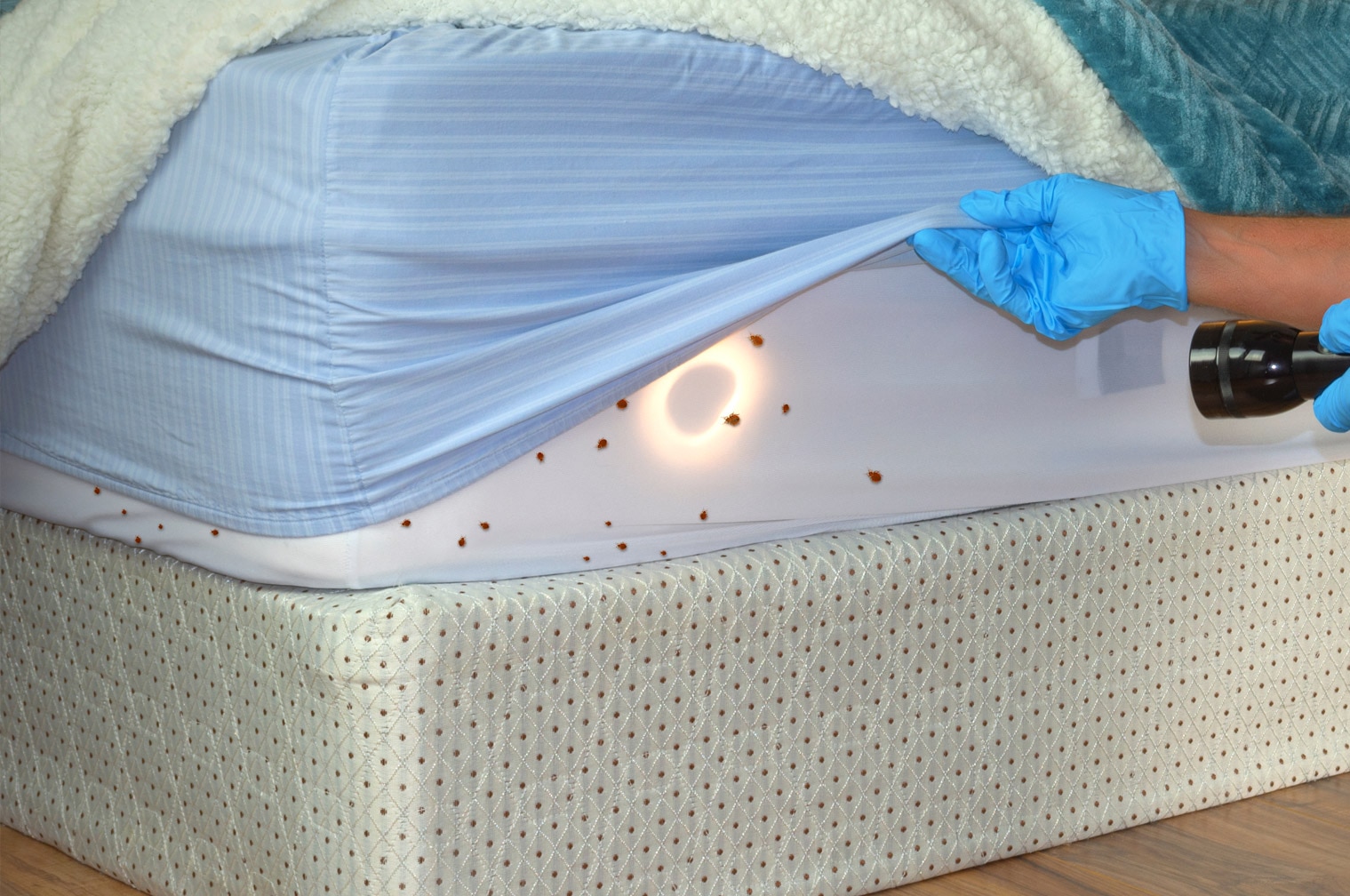
Got a Bed Bug Problem?
Get a Quote
Bed Bug Facts
According to the National Pest Management Association, one out of every five Americans has either a bed bug infestation in their home or knows someone who’s battled this pest at home or in a hotel. All 50 U.S. states are currently battling the growing bed bug epidemic. In a 2020 study, three Ohio cities have ranked in the top 10 of 50 bed bug-infested cities in the country, with Columbus ranking at number 5.
What Are Bed Bugs?
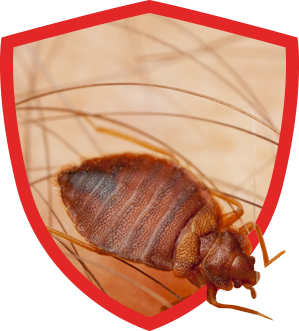
Bed bugs are wingless insects that feed off of the blood of humans and other mammals. This pest is a rusty brown colored bug, approximately 1/4 inch in length with a flattened oval shape, similar to an apple seed. Bed bugs are found in many common places and are becoming more frequent in shared living spaces like hotels, fabric and are easily carried from location to location. A female bed bug lays an average of five eggs per day, quickly turning a single bug into a bed bug infestation.
Where Do Bed Bugs Come From?
Our Process
Our bed bug extermination experts in Columbus work hard to identify and treat your Ohio bed bug problem.

Inspection & Detection
Our bed bug extermination service begins with a thorough inspection of your Columbus, Ohio residential or commercial property. During inspections, we use multiple tactics to find where bed bugs are hiding. Since bed bug infestations can spread quickly, it’s important to identify all areas that have bed bugs for successful pest control.

Treatment Plan
Once we’ve located the bed bugs, we’ll share our findings with you and explain the details of your pest problem. We’ll make bed bug treatment recommendations and formulate a plan for treatment or another pest control service.

Extermination Service
With our bed bug treatment plan in place, our licensed exterminators will address the affected areas of your Columbus, Ohio home. While heat treatment is common, the specific bed bug extermination services to be used will depend on where the bedbugs are located and the severity of the infestation.
Why Choose Champion Pest & Termite Control as Your Bed Bug Exterminator
Our company is locally owned and operated in Columbus Ohio. We pride ourselves on offering quality service and personalized treatments at affordable prices – your satisfaction is our priority. All inspections, heat treatments and other services are performed by state-licensed technicians, so you can trust the job is done right. We treat a variety of pest infestations to help you feel comfortable in your Columbus, Ohio home.
Bed Bug Infestations Are A Problem
How Do I Get Bed Bugs?
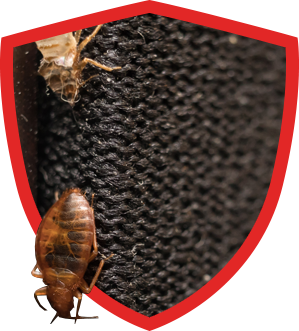
Bed bugs are “hitchhikers”. They hide in furniture, in cracks and crevices, or on fabrics, and travel from place to place by riding on the clothes or shoes of a carrier, through air vents or pipes, and more. Bed bugs are not a sign of uncleanliness and can be found in many homes, hotels, and apartments.
What Damage Can Bed Bugs Cause?
Although the bite from this pest is painless, the bed bug injects salivary fluid into the skin that may cause irritation, including welts, inflammation, and itching. Additionally, the emotional and mental toll of experiencing a bed bug infestation can be severe and should not be taken lightly. In the NPMA’s Bugs Without Borders survey, professional pest management company respondents reported that 99% of their clients who have noted bed bug symptoms were “upset and concerned.”
How Can I Prevent Beg Bugs?
There’s no true way to prevent getting bed bugs, but there are some good habits you can form to decrease your chances of bringing a bed bug home.
- Inspect hotel beds by removing bedding and looking for signs of bugs or bloodstains.
- Avoid used furniture or clothing.
- Use mattress and box spring covers to prevent a female bed bug from laying eggs in places such as mattress seams and crevices in box springs.
- Inspect clothing and shopping bags from retail stores carefully before bringing them into your home.
- Vacuum suitcases thoroughly when returning to Ohio from vacation to prevent a bed bug infestation.
What Do I Do If I Get Bed Bugs?
Stop! Contact Champion Pest & Termite Control immediately! Bed bugs can only be effectively treated by a professional. A state licensed pest control professional will complete a thorough inspection of the infested area and create a comprehensive bed bug treatment plan to help manage bed bugs and minimize their spread to neighboring rooms. Pest control service performed by professional bed bug exterminators, including treatment, is the best way to handle a bed bug problem in Ohio.
Bed Bug FAQs
What’s the best way to get rid of bed bugs?
The fastest and most effective way to eliminate bed bugs is through professional chemical treatment applied by trained technicians. These treatments are designed to target bed bugs where they hide—such as mattresses, furniture, baseboards, and cracks—while also addressing multiple stages of the bed bug life cycle. When paired with proper preparation and follow-up services as needed, professional chemical treatments provide reliable, long-lasting control and help prevent reinfestation.
My house is clean—why did I get bed bugs?
Bed bugs are not a cleanliness issue. They are hitchhikers and are commonly brought into homes through travel, luggage, clothing, used furniture, or overnight guests. Bed bugs are attracted to people, not dirt or food, and can infest even the cleanest homes. Early detection and professional treatment are key to stopping bed bugs from spreading and becoming a larger problem.
Why do I have bed bug bites but my wife doesn’t??
People react differently to bed bug bites. Some individuals develop itchy, visible bite marks, while others may have little to no reaction at all, even if they’re being bitten. Bed bugs don’t prefer one person over another—they feed on whoever is available—but skin sensitivity and immune response determine whether bites show up or cause irritation. This difference in reactions is common and doesn’t mean bed bugs are only biting one person.
How can I tell if I have bed bugs?
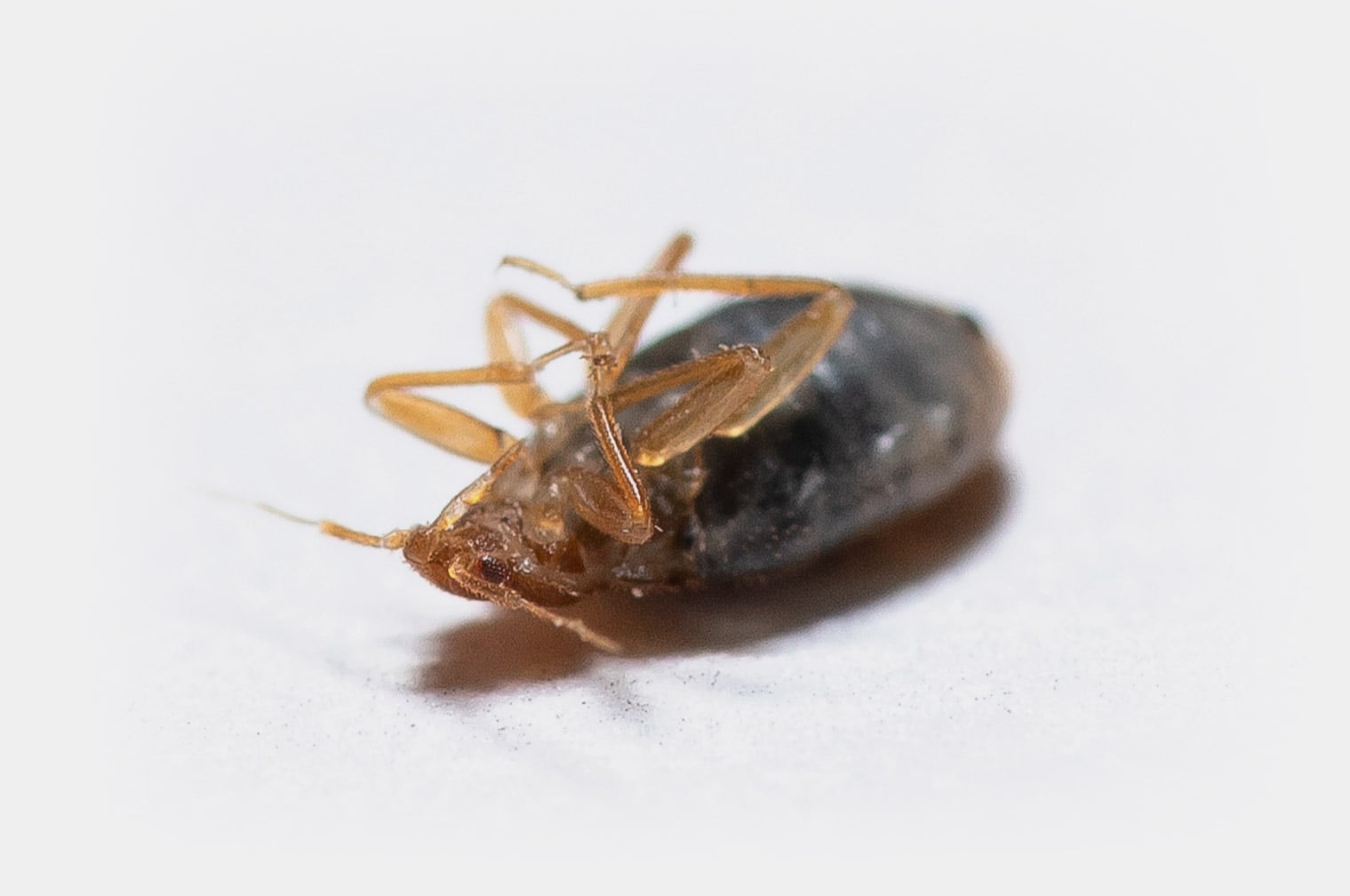
- Bed bugs are visible to the naked eye, although they are small and good at hiding. Adult bed bugs are about the size of an apple seed, flat, and reddish-brown in color. After feeding, they may appear darker and more swollen. Younger bed bugs (nymphs) are smaller and lighter in color, which can make them harder to spot. Common signs of bed bugs include itchy bite marks, often appearing in clusters or lines on exposed skin, small dark spots on sheets or mattresses (droppings), rust-colored stains from crushed bugs, and shed skins near mattress seams, box springs, headboards, and furniture. Because bed bugs hide in tight cracks and crevices, a professional inspection is often the best way to confirm activity and determine the proper treatment.
Where should I look for bed bugs in my house?
Bed bugs hide in tight cracks and crevices, especially close to where people sleep or rest. Common places to check include the entire bed (mattress seams, tags, and edges; box springs, especially along the fabric and frame; frames and headboards, and footboards; Nightstands and nearby furniture, including drawer seams, any Upholstered furniture, cushions, and seams; Baseboards, wall cracks, and electrical outlets near beds; Behind picture frames, mirrors, and loose wallpaper. Because bed bugs are small, flat, and excellent at hiding, they’re not always easy to find. If you suspect activity but don’t see clear signs, a professional inspection can help confirm whether bed bugs are present and identify the extent of the problem.
Can you treat one room for bed bugs?
In most cases, no. Bed bugs rarely stay confined to a single room. They can travel through wall voids, electrical outlets, baseboards, and furniture, spreading to nearby rooms even if activity is only noticed in one area. Treating just one room often allows bed bugs to survive and reappear. A professional inspection is the best way to determine how far bed bugs have spread and to create a treatment plan that fully addresses the problem and prevents reinfestation.
Do I need to throw away all of my furniture if I have bed bugs?
In most cases, no. Bed bugs can usually be eliminated with proper professional treatment, and furniture does not typically need to be discarded. Mattresses, box springs, and upholstered furniture can often be treated successfully when handled correctly. Throwing away furniture without treatment can sometimes make the problem worse by spreading bed bugs to other areas. A professional inspection can determine what can be treated, what may need special attention, and whether anything truly needs to be removed.
Can bed bugs travel on clothes?
Yes. They can cling to bags, luggage, and clothing to reach new places.
How do I prevent bed bugs while traveling?
While no method is foolproof, a few smart precautions can greatly reduce your risk:
- Inspect your room upon arrival, especially mattress seams, headboards, and nightstands.
- Keep luggage off the bed and floor—use a luggage rack or place bags in the bathroom while inspecting.
- Store clothing in sealed bags inside your suitcase.
- Avoid placing personal items in drawers or on upholstered furniture.
- Upon returning home, limit where you place the luggage. Unpack directly into the washer. Wash and dry clothes on high heat, which kills bed bugs.
- Store suitcases after traveling in a garage or other areas away from sleeping areas.
Bed bugs are expert hitchhikers, but staying alert while traveling helps prevent them from coming home with you
How can I tell the difference between flea bites and bed bug bites?
While flea bites and bed bug bites can look similar, there are a few key differences that can help tell them apart. Flea bites most often appear on the lower legs, ankles, and feet. They are usually small, red, and itchy, sometimes with a tiny red dot in the center. Flea bites tend to be scattered or appear in small clusters and are commonly associated with pets or carpeted areas. Bed bug bites typically show up on exposed skin such as the arms, neck, shoulders, or face. They often appear in a line or grouped pattern (sometimes called “breakfast, lunch, and dinner”) and may become swollen or itchy hours or even days after being bitten. Because reactions can vary from person to person, bites alone aren’t always enough to confirm the pest. A professional inspection can help identify the source and ensure the correct treatment is used.
What should I do if I just saw one bed bug?
Seeing a single bed bug doesn’t always mean you have a full infestation, but it is a sign to stay alert. Bed bugs are excellent at hiding, so it’s important to watch for additional signs such as bites, dark spots on bedding, or shed skins. Avoid moving furniture or belongings between rooms, as this can spread them. If possible, capture the bug or take a clear photo for identification. Washing and drying bedding and recently worn clothing on high heat and scheduling a professional inspection can help confirm whether there is additional activity and prevent a larger problem.
What should I do if someone came to my house who had bed bugs?
Try not to panic—bed bugs are not guaranteed to spread from a single visit. Bed bugs typically travel by hitchhiking on personal belongings, so the risk depends on whether items like bags, coats, or luggage were brought inside.
As a precaution, you can:
- Inspect areas where the guest spent time, especially seating, bedding, or floors near entry points
- Wash and dry any linens or clothing they may have used on high heat
- Vacuum upholstered furniture, rugs, and entry areas, then dispose of the vacuum contents promptly
- Monitor for signs such as bites, dark spots, or shed skins over the next few weeks
If you notice any signs or want peace of mind, a professional inspection can help confirm whether there’s any activity and address concerns early—before a problem has a chance to develop
Should I be worried about bed bugs in my car?
Bed bugs can end up in cars, but it’s not common. They don’t live in vehicles long-term because cars lack the stable conditions they need. However, bed bugs can occasionally hitch a ride in a car on clothing, bags, or personal items, especially after travel or visiting an infested location. If you’re concerned, inspect areas like seat seams, floor mats, and storage compartments, and avoid leaving bags or clothing in the car. If bed bugs are suspected, a professional can help confirm activity and recommend next steps
What if I still see bed bugs after treatment?
It’s not unusual to see some bed bug activity shortly after treatment. Bed bug treatments are designed to target hiding areas and the full life cycle, and as remaining bugs move through treated spaces, they may become visible before they are eliminated. This does not mean the treatment failed. Activity should steadily decrease over time. It’s important to follow all preparation and post-treatment instructions and avoid moving items between rooms, which can interfere with results. If bed bug activity continues beyond the expected timeframe, contact us—our team will evaluate the situation and determine whether additional follow-up treatment is needed to fully resolve the issue.
Am I guaranteed to get rid of bed bugs?
Bed bugs are one of the most challenging pests to eliminate, so it’s not realistic for any company to promise instant or absolute results. Professional treatment greatly improves the chances of full control when combined with proper preparation and follow-up. It’s also important to understand that bed bugs are hitchhikers. If you continue to travel to, work in, or visit places where bed bugs are present, there is a risk of bringing them back home again, even after treatment. This doesn’t mean treatment wasn’t effective—it means new bed bugs can be reintroduced. Successful bed bug control depends on the level of infestation, following preparation and post-treatment instructions, and minimizing exposure to infested environments. If activity continues, we work with you to evaluate next steps and determine whether additional treatment is needed to fully resolve the issue
Can I treat bed bugs on my own?
You may be able to reduce bed bug activity with DIY products, but completely eliminating bed bugs on your own is very difficult. Bed bugs hide in tiny cracks and crevices, reproduce quickly, and require treatments that target multiple life stages. Store-bought products often don’t reach hiding areas or may push bed bugs deeper into walls and furniture. Professional treatment uses proven products, proper application techniques, and follow-up strategies to address the infestation thoroughly. This approach is safer, more effective, and typically resolves the problem faster than repeated DIY attempts.